.jpg)
Essential Life Skills: Building a Stronger Community Together

In today's fast-paced world, the importance of essential life skills cannot be overstated. These skills not only empower individuals but also strengthen the fabric of our communities. From effective communication to problem-solving, mastering these skills can lead to more cohesive and supportive environments. In this blog post, we will explore various essential life skills, their significance, and how we can cultivate them to build a stronger community together.
Understanding Essential Life Skills
Essential life skills are the abilities that enable individuals to deal effectively with the demands and challenges of everyday life. These skills can be broadly categorized into several areas:
Communication Skills: The ability to convey information clearly and effectively.
Interpersonal Skills: Skills that facilitate interaction and relationships with others.
Problem-Solving Skills: The capacity to identify solutions to challenges and obstacles.
Critical Thinking: The ability to analyze information and make informed decisions.
Emotional Intelligence: Understanding and managing one’s emotions and the emotions of others.
The Importance of Life Skills in Community Building
Life skills play a crucial role in fostering a sense of community. When individuals possess strong life skills, they are better equipped to contribute positively to their surroundings. Here are some key reasons why these skills are vital for community building:
Enhanced Communication: Effective communication fosters understanding and reduces conflicts. When community members can express their thoughts and feelings clearly, it leads to stronger relationships.
Increased Collaboration: Life skills encourage teamwork and collaboration. When individuals work together towards common goals, it strengthens community bonds.
Empowerment: Individuals with strong life skills feel more confident in their abilities. This empowerment can lead to increased participation in community activities and initiatives.
Problem Solving: Communities often face challenges. Individuals equipped with problem-solving skills can contribute to finding solutions, making the community more resilient.
Emotional Support: Emotional intelligence allows individuals to empathize with others, creating a supportive environment where everyone feels valued.
Key Life Skills to Cultivate
Communication Skills
Effective communication is the cornerstone of any successful community. Here are some ways to enhance communication skills:
Active Listening: Encourage community members to practice active listening. This involves fully concentrating on what is being said rather than just passively hearing the message.
Public Speaking: Organize workshops or events that allow individuals to practice public speaking. This can help build confidence and improve clarity in communication.
Non-Verbal Communication: Teach the importance of body language, facial expressions, and tone of voice in conveying messages.
Interpersonal Skills
Building strong relationships is essential for a thriving community. Here are some tips to improve interpersonal skills:
Team Building Activities: Organize team-building exercises that promote collaboration and trust among community members.
Conflict Resolution Training: Provide training on conflict resolution techniques to help individuals navigate disagreements constructively.
Networking Events: Host networking events to encourage individuals to connect and build relationships with one another.
Problem-Solving Skills
Problem-solving skills are crucial for addressing community challenges. Here’s how to foster these skills:
Workshops on Critical Thinking: Conduct workshops that focus on critical thinking and decision-making processes.
Encourage Creativity: Create an environment where individuals feel safe to share innovative ideas and solutions.
Community Projects: Involve community members in projects that require collective problem-solving, such as neighborhood improvement initiatives.
Critical Thinking
Critical thinking enables individuals to analyze situations and make informed decisions. To enhance critical thinking skills:
Debate Clubs: Establish debate clubs where community members can discuss various topics, encouraging them to think critically and articulate their viewpoints.
Case Studies: Use real-life case studies to illustrate the importance of critical thinking in decision-making.
Encourage Questions: Foster a culture where asking questions is encouraged, leading to deeper understanding and analysis.
Emotional Intelligence
Emotional intelligence is vital for creating a supportive community. Here are ways to develop this skill:
Empathy Workshops: Organize workshops that focus on developing empathy and understanding others' perspectives.
Mindfulness Practices: Introduce mindfulness practices that help individuals manage their emotions and reduce stress.
Support Groups: Create support groups where individuals can share their experiences and feelings in a safe environment.
Practical Examples of Life Skills in Action
To illustrate the impact of essential life skills on community building, let’s look at a few practical examples:
Community Garden Initiative
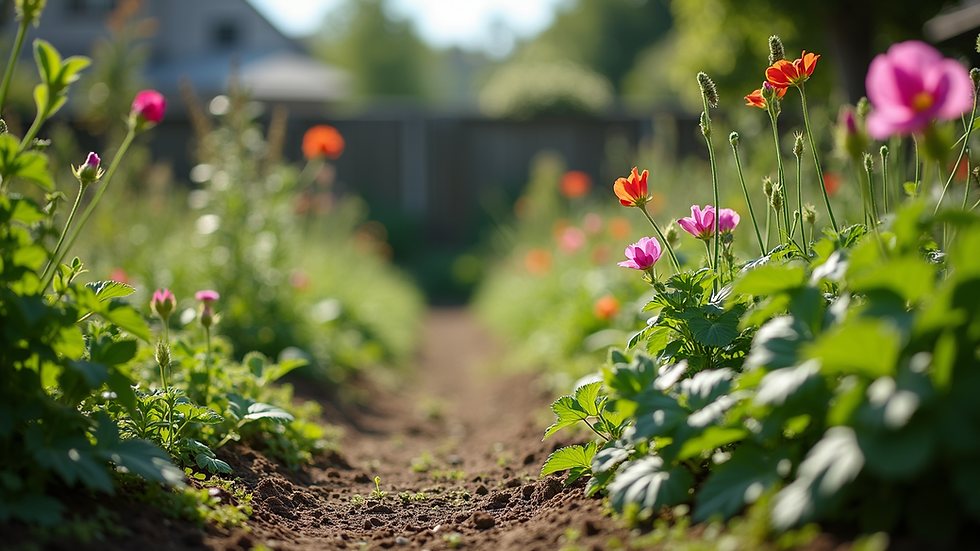
A community garden can serve as a perfect example of how life skills come together. Residents can collaborate to plan, plant, and maintain the garden. This initiative requires:
Communication: Residents must discuss their ideas and preferences for the garden layout.
Teamwork: Working together to plant and care for the garden fosters collaboration.
Problem-Solving: Challenges such as pest control or weather conditions require creative solutions.
Neighborhood Watch Program
Establishing a neighborhood watch program is another example of life skills in action. This initiative enhances safety and security through:
Interpersonal Skills: Neighbors must build trust and communicate effectively to report suspicious activities.
Critical Thinking: Participants need to assess situations and determine the best course of action.
Emotional Intelligence: Understanding and addressing community concerns fosters a sense of safety and belonging.
Encouraging Life Skills Development
To cultivate essential life skills within your community, consider the following strategies:
Workshops and Training: Organize regular workshops focused on specific life skills. Invite experts to share their knowledge and experiences.
Mentorship Programs: Establish mentorship programs where experienced individuals guide others in developing their life skills.
Community Events: Host events that promote interaction and collaboration, such as potlucks, fairs, or volunteer days.
Feedback Mechanisms: Create channels for community members to provide feedback on programs and initiatives, fostering a culture of continuous improvement.
Celebrate Successes: Recognize and celebrate individuals and groups who demonstrate strong life skills. This encourages others to follow suit.
Conclusion
Building a stronger community requires a collective effort to develop essential life skills. By focusing on communication, interpersonal relationships, problem-solving, critical thinking, and emotional intelligence, we can create an environment where everyone thrives. Let’s take the initiative to cultivate these skills and work together towards a more connected and supportive community.
As we move forward, consider how you can contribute to this effort. Whether through participating in workshops, volunteering for community projects, or simply engaging with your neighbors, every action counts. Together, we can build a stronger community for all.

Comments